
This article gives a practical, step-by-step way to borrow five core Tiki Taka principles and use them to manage your online casino play more consistently. The goal is not to guarantee wins — nothing does — but to reduce volatile swings, stretch your bankroll, and make better decisions under pressure. Read it with one concrete aim: leave with a repeatable routine you can use next session.
Why Tiki Taka matters for casino players
Tiki Taka football emphasizes possession, short accurate passes, movement off the ball, and patience. Those are decision-making habits, not tactics exclusive to soccer. Translated to casino play, they form a discipline for when to bet, how much to risk, when to step away, and how to choose games. The comparison also encourages a culture of adaptation: small adjustments compound into major advantages over time.
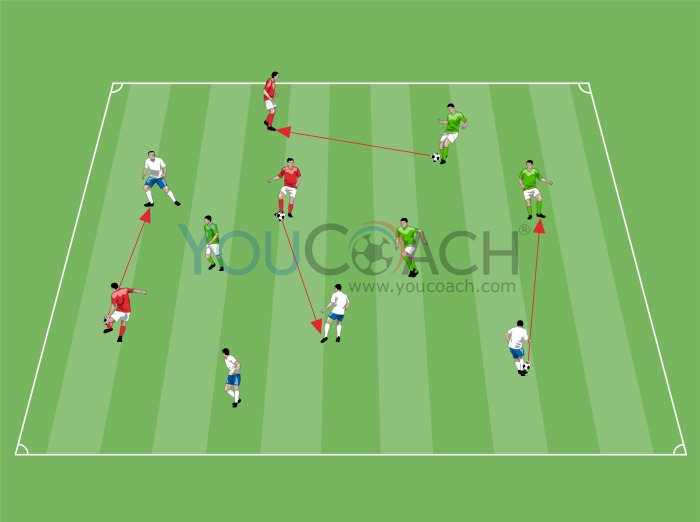
Five Tiki Taka rules to use at Tiki Taka Casino
- Possession = Bankroll Control. Keep the ball: set a session bankroll that you can afford to lose and never chase beyond it. Split that bankroll into 10–40 equal units and treat a single unit as your standard stake.
- Short passes = Small, consistent bets. Use small bets relative to your bankroll to prolong play and gather information. If your unit is 1%–3% of bankroll, you can ride short trends and survive downswings without ruin.
- Movement off the ball = Game selection and timing. Don’t stay on a single game out of habit. Move between slots with good RTPs, table games with better edge conditions, or bonuses when variance is favourable. Pick windows where volatility matches your risk tolerance.
- Pressing as a team = Stop-loss and profit-target discipline. Tiki Taka works because players press collectively. For solo casino play, that discipline becomes automatic stop-losses and profit-targets. Example: stop after losing 6 units or winning 8 units in a session.
- Rotation = Review and adapt. After each session, review outcomes briefly: which bets worked, what patterns appeared, and what you’ll change next time. Rotate strategies; don’t be rigid.
Quick session plan (practical checklist)
- Decide session bankroll and compute unit size (1–3% recommended).
- Set clear stop-loss and profit-target (in units).
- Choose two or three game types for the session; limit switching to reduce impulsive decisions.
- Place small, consistent bets (avoid doubling after losses).
- Log results for five sessions and adapt your unit size or game mix if variance is too high.
If you want to test these ideas on a platform that blends straightforward game selection with promotions designed for sustained play, try Tiki Taka — use it as a training ground for the routine above rather than a quick-hit search for big wins.
Concrete takeaway
Replace impulsive, high-variance choices with a possession-style routine: small stakes, clear session limits, selective game choices, and quick post-session reviews. Like a well-drilled football side, consistent micro-advantages compound. Over time that reduces regret, preserves bankroll, and leaves you playing better — and longer.