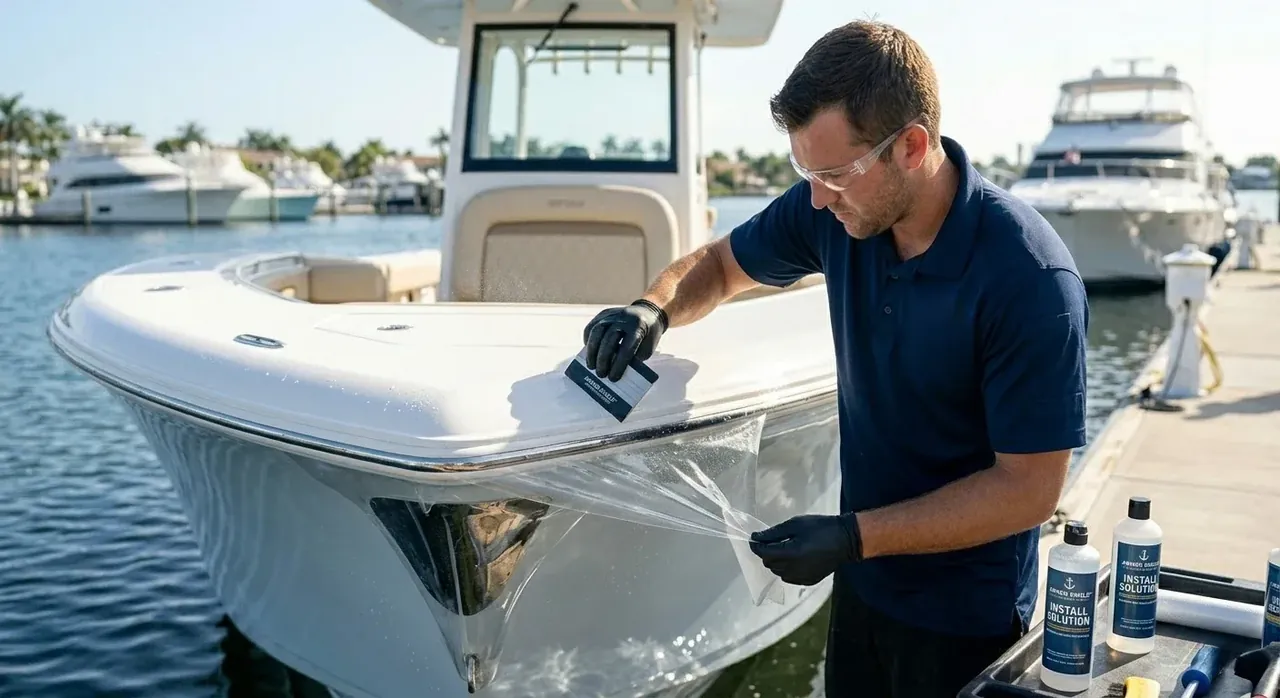
5-Day Certification // Marine Protection Film
PPF for boats.
Get trained. Get certified.
Boats are five- and six-figure assets that live in the harshest environment on the planet, and their owners pay premium prices to protect them. In five hands-on days, learn to prep, install and finish Marine Protection Film, and turn it into an add-on for your current business or an entirely new one.
Get trained. Get certified. Classes start every Monday.
- State licensedBPPE License #3013591
- Hands-onOver-the-shoulder instruction
- CertifiedDing King Certification
- Every MondayClasses start 52 weeks a year
01 // Program overview
Bigger surfaces.
Bigger tickets.
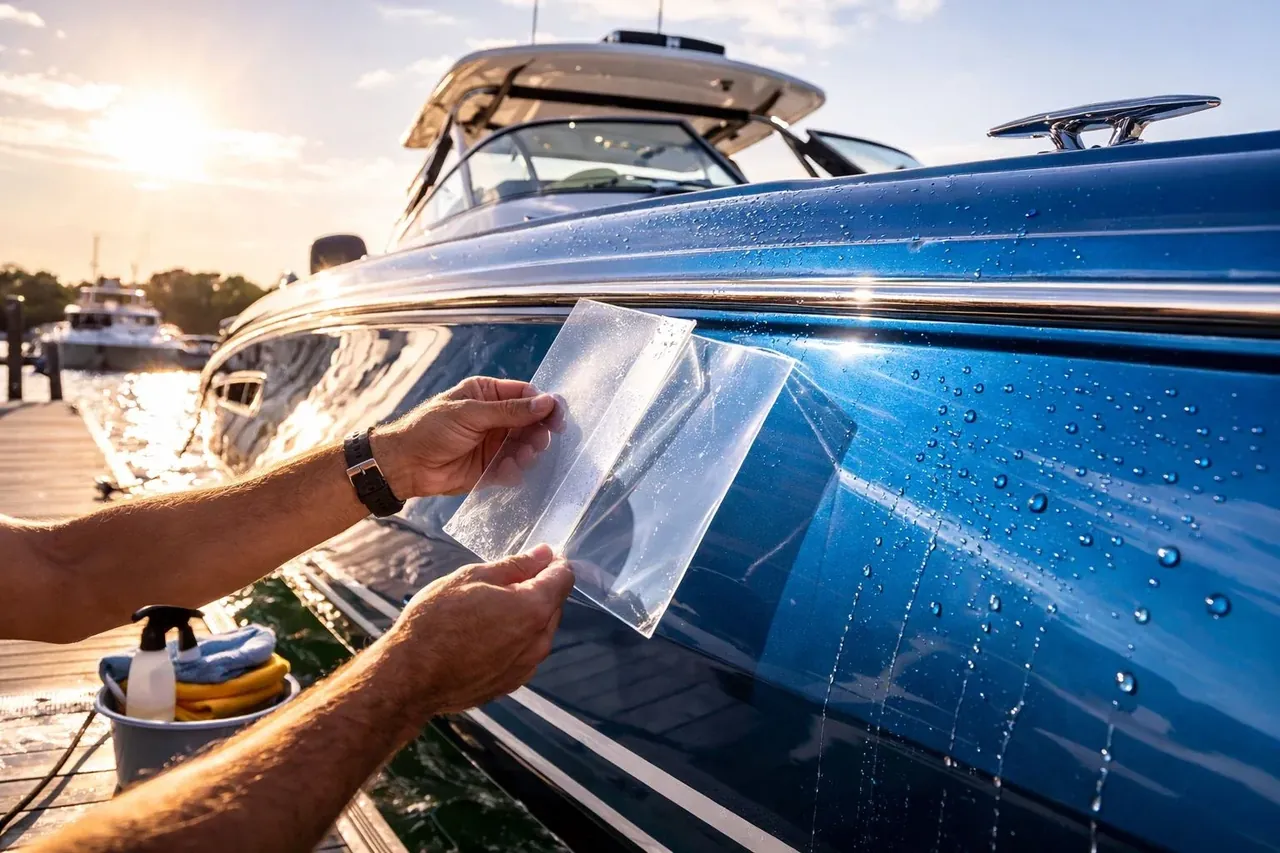
Marine Protection Film is a clear, self-healing urethane film engineered to protect boat surfaces from UV, saltwater, abrasion, oxidation and dock damage. It is to boats what PPF is to cars, but the stakes, and the price tags, are higher.
Larger surface areas, harsher chemistry, irregular hull shapes and a less forgiving substrate (gelcoat) make MPF a true specialty trade. This 5-day program takes a beginner, or an experienced automotive PPF installer, and develops them into a job-ready marine protection film technician.
Every day stacks new skills on the one before it, on the proven Ding King model: Learn, Practice, Apply, Refine, Certify. Nothing is skipped and nothing is rushed. Students move forward only when they hit the day’s skill benchmark, because in this trade, bad habits formed early become expensive mistakes later.
02 // Why it pays
A new revenue stream.
On the water.
Marine Protection Film is one of the fastest-growing protective film niches in North America, and there are not enough certified installers to meet demand.
Small boats, under about 22 ft.
Typical MPF jobs run $1,500 to $3,000.
Mid-size boats, 22 to 35 ft.
Typical MPF jobs run $3,000 to $6,000.
Large boats and yachts, 35 ft and up.
Typical MPF jobs run $6,000 to $15,000 and more.
Add it to the business you have.
Detailers, PPF shops, dent and ceramic technicians already have the customers, the shop and the hand skills. Marine film turns the boat in the driveway into the next ticket.
Or start a new one.
Boat owners, dealers, marinas, yacht brokers and service centers all need installers who can stand behind sealed, lasting work.
Every job opens the next one.
Ceramic coating over the film, annual maintenance and inspection packages, trailer film, interior protection and dent repair are natural upsells. Customers buy peace of mind, not products.
Price ranges are typical figures from the DKTI MPF training manual and vary by market, boat condition and complexity. Training does not guarantee business income.
Armor Shield™ Marine Protection Film
The film you’ll
train on.
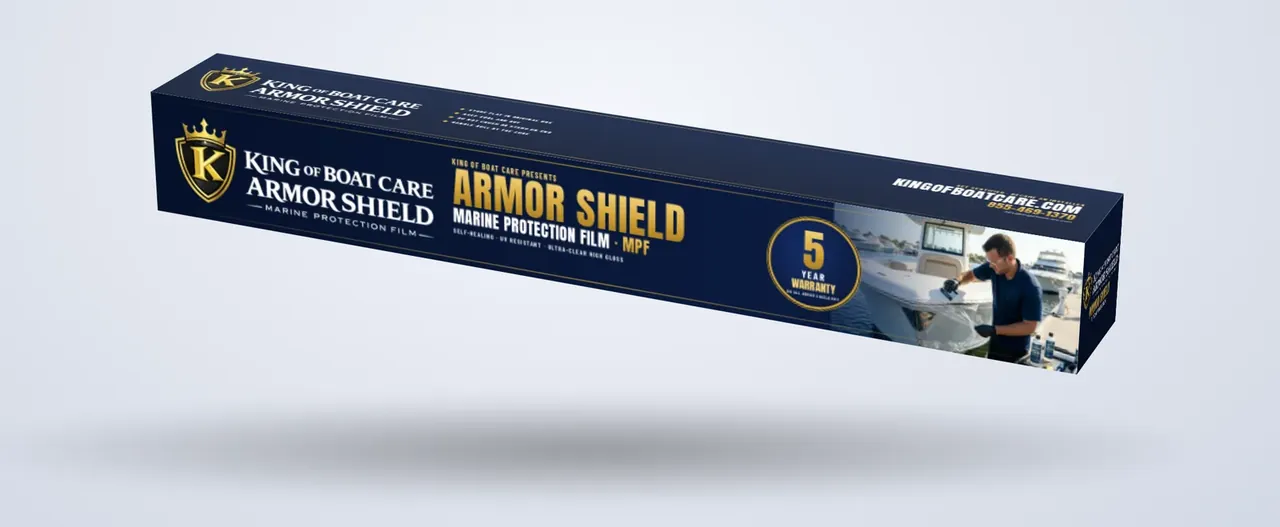
Armor Shield™ Marine Protection Film, exclusively from King of Boat Care. Self-healing, UV resistant and ultra-clear high gloss, backed by a 5-year warranty on all Armor Shield MPF.
03 // Five days, day by day
Learn. Practice. Apply.
Refine. Certify.
Day 1: Foundations and prep.
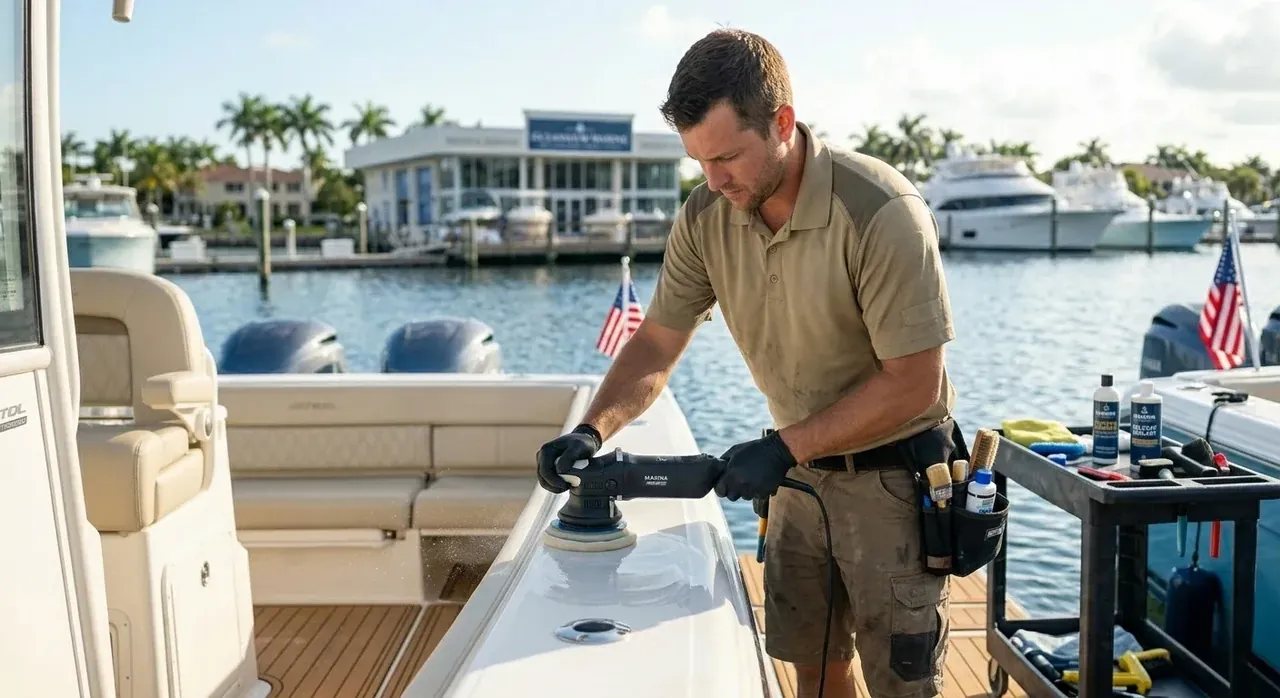
MPF versus automotive PPF, the marine environment, film types and adhesives, and the shop setup. Then the most important skill in the trade: the full wash, clay, oxidation removal and IPA prep sequence. Prep is not the boring part before the install. Prep is the install.
Day 2: Flat-surface installs.
Slip and tack solutions, film memory, and squeegee angle, pressure and direction. At least 10 repetition installs on flat panels, until the squeegee feels like an extension of the hand.
Day 3: Curves, edges and gelcoat.
Working on gelcoat instead of clear coat, stretching versus shrinking film, heat control, convex and concave curves, and edge wraps around hardware and rub rails.
Day 4: Advanced installs and real problems.
Butt and overlap seams, relief cuts placed where the eye won’t find them, and large-panel workflow. In the troubleshooting lab, the instructor plants problems in your install and you fix them on the spot.
Day 5: Full install and certification.
Prep, lay out, install, wrap and deliver a customer-ready section on your own, with no coaching. You are judged the way a real customer would judge you.
Business and real-world module.
Pricing per linear foot and per section, estimating by size, condition and complexity, presenting jobs, and a six-step customer workflow from intake to delivery.
04 // How every day runs
See it explained.
See it done. Do it.
Every training day follows the same blend of theory, demonstration and supervised hands-on work, in the order people actually learn a hand skill.
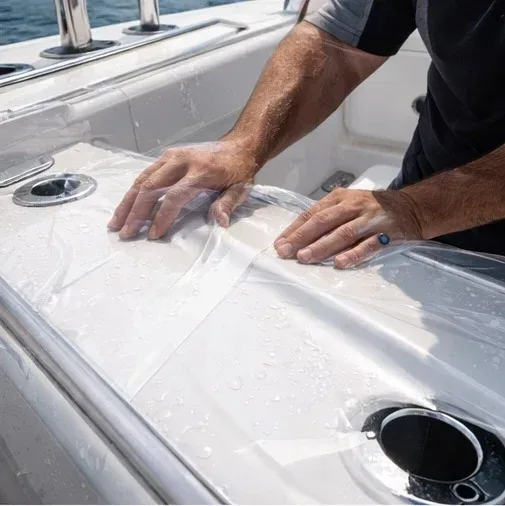
- Classroom, 20 to 30%: materials science, terminology, safety and product knowledge in short blocks
- Instructor demonstration, 20%: every technique done start to finish, every decision explained
- Hands-on training, 50 to 60%: training panels and real boat sections with live coaching
- Assessing gelcoat, painted hulls, fiberglass and metal trim
- A chemically clean prep, every time
- Flat, curved and compound-radius installs
- Edge wrapping, butt seams and overlap seams
- Fixing lifting, silvering, fingering and contamination
- Quoting, presenting and delivering MPF jobs
05 // The Ding King standard
Pass or fail.
No partial credit.
Certification means you have shown the complete skill stack, not one good install on a good day. To earn it, you must pass both the practical install and the visual inspection.
Prep quality.
Contaminant-free, oxidation removed, IPA wipe complete, no missed areas.
Film placement.
Square to body lines and fully covering the intended area.
Squeegee technique.
Even, overlapping strokes, water fully removed, no silvering or fingering.
Edge finish.
Edges wrapped where needed, locked with tack, heat-set and pressed fully down.
Final appearance.
Clean from 12 inches and 3 feet, with no contamination, distortion or stretch marks under raking light.
Room to grow.
Graduate as a Level 1 Installer, then advance to Level 2 Advanced and Level 3 Master Installer with documented installs, full-yacht work and mentoring.
Open for business
Leave ready
to work.
Everything on one list.
Marine-grade film rolls, dedicated slip and tack sprayers, squeegees, heat gun and steamer, prep chemicals, clay, precision knives, microfiber and marine edge sealant. You can place your order before graduation.
Over-the-shoulder training.
Classes run 1 to 5 students, in Southern California or at our Florida marine training center, so every install gets an instructor’s eyes on it.
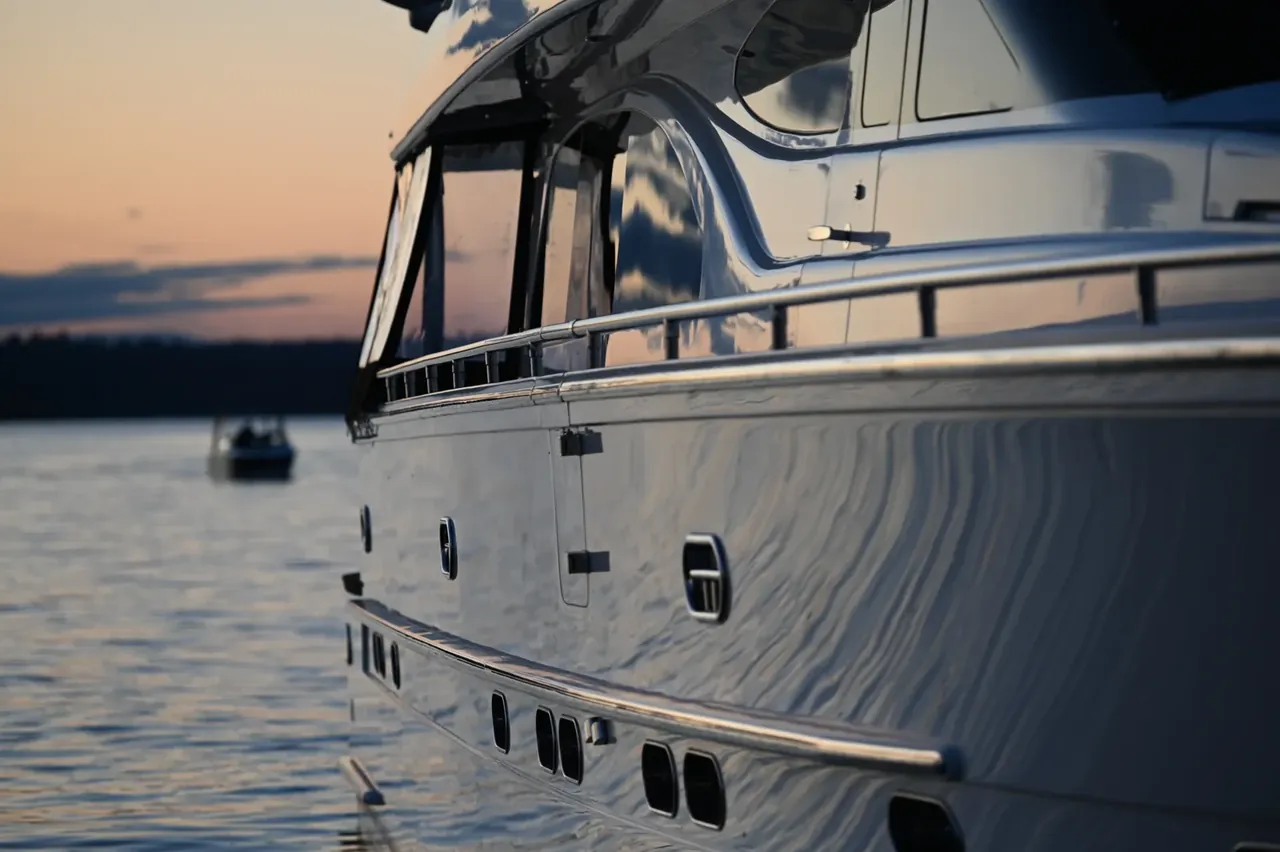
One boat at a time
This is a
high-income skill.
The difference between average and elite is attention to detail. Master prep and control, and you will win in this industry.
06 // Straight answers
Marine protection
film certification.
How long is the program?
Five days of hands-on training. Each day covers classroom theory, an instructor demonstration and supervised hands-on work.
Do I need PPF experience?
No. The program is built to take a beginner to job-ready. Experienced automotive PPF installers learn what is different about gelcoat and the marine environment.
How is marine film different from automotive PPF?
Marine film is typically thicker, with more aggressive adhesive systems engineered to resist saltwater at the edge, and it has to perform on porous, chalk-prone gelcoat instead of automotive clear coat.
What film will I train on?
Armor Shield™ Marine Protection Film, exclusively from King of Boat Care, backed by a 5-year warranty.
How do I get certified?
On Day 5 you complete a full prep and install on your own, then pass a visual inspection from 12 inches and 3 feet. You must pass both to earn Ding King MPF Certification.
What can I charge?
Typical jobs range from $1,500 to $3,000 for small boats, $3,000 to $6,000 for mid-size boats, and $6,000 to $15,000 or more for large boats and yachts. The business module covers pricing and estimating.
Where is the training held?
In Southern California or at our Florida marine training center, with 1 to 5 students per class.
More PDR training
Keep
exploring.
Every program is taught hands-on, with an instructor at your side.
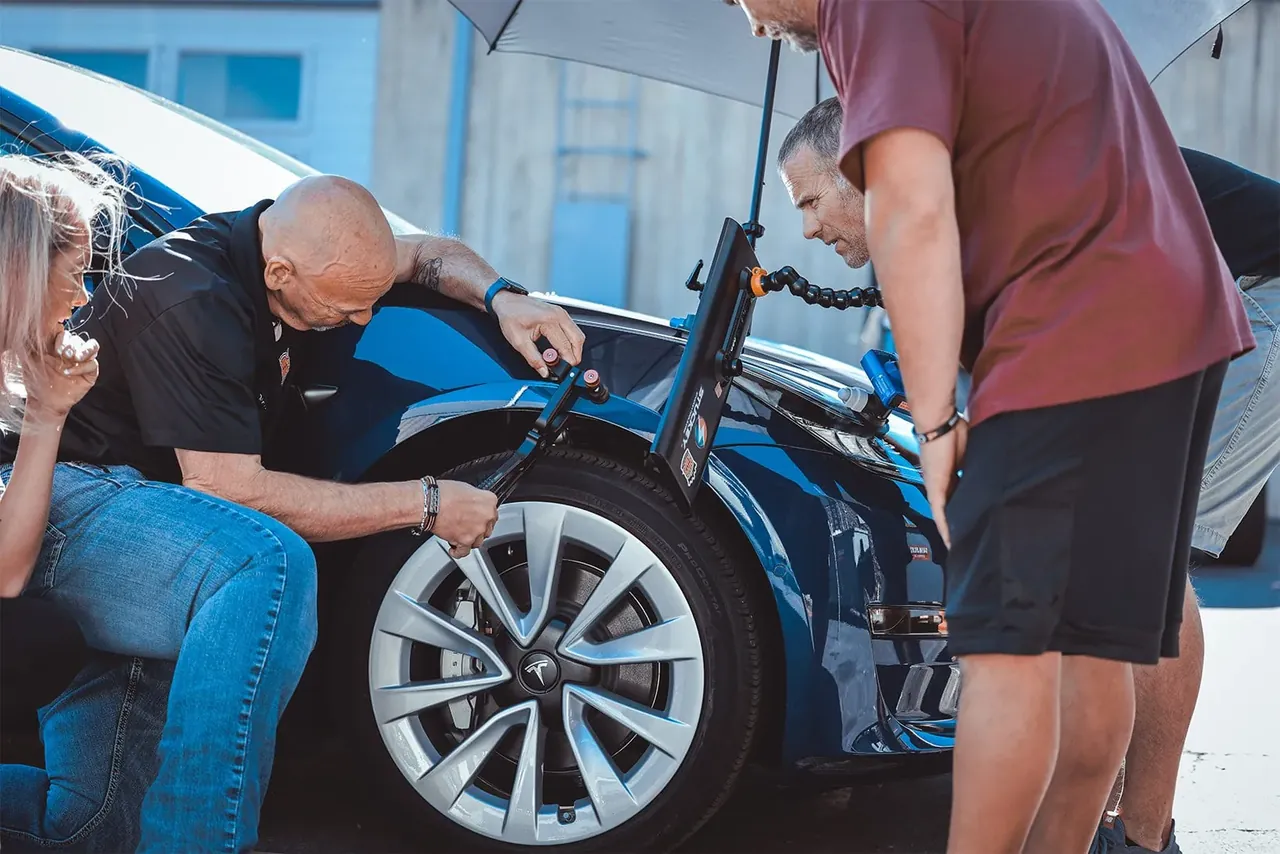 01 / Courses
PDR Training Courses
PDR-40, PDR-80 and 3 to 12 week programs, with the full curriculum for each.
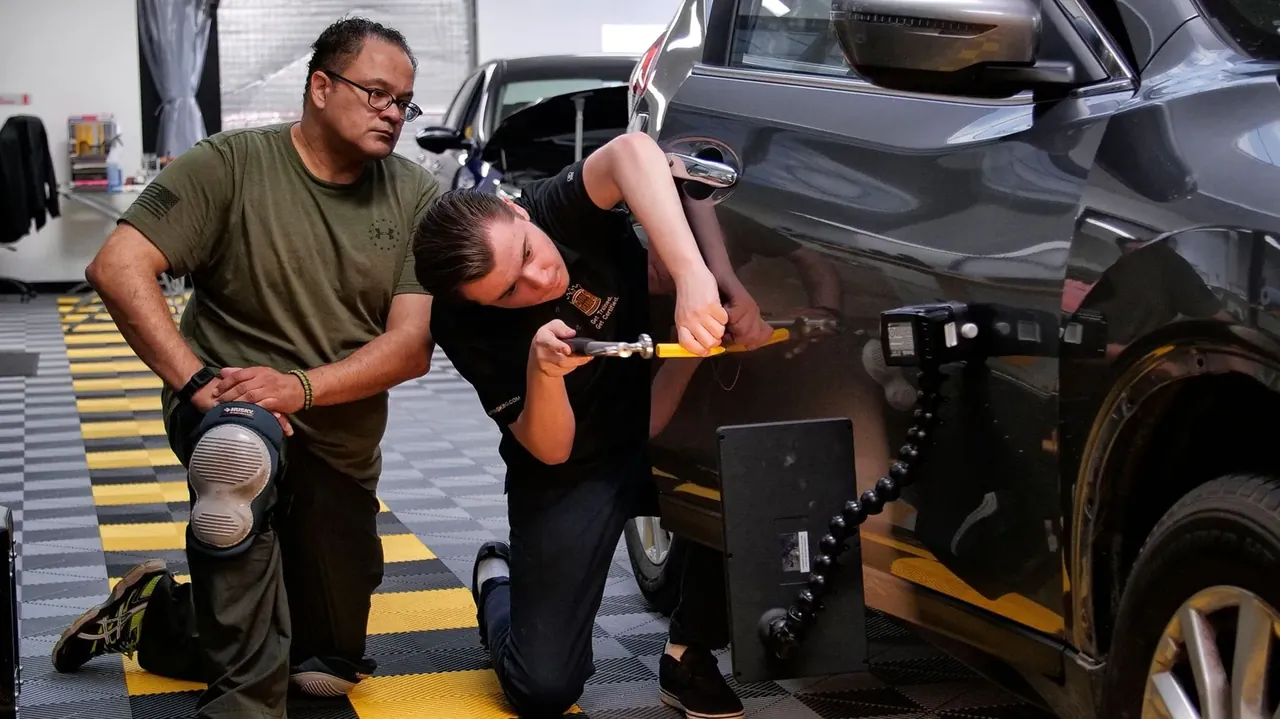 02 / Certified Training
Paintless Dent Removal Training
The certified, entirely hands-on program taught on real vehicles.
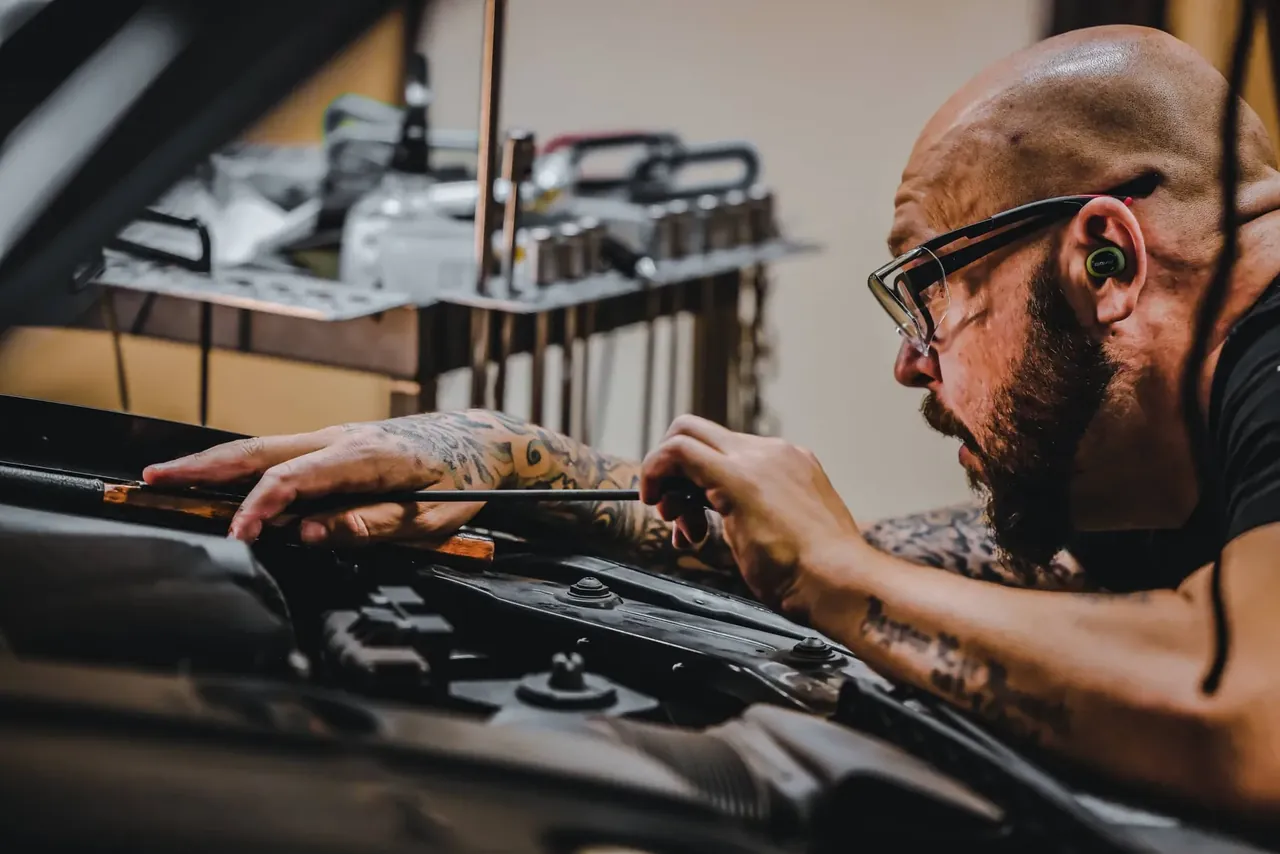 03 / Advanced
Advanced PDR Training
A custom plan for working techs who want faster, cleaner, more confident repairs.
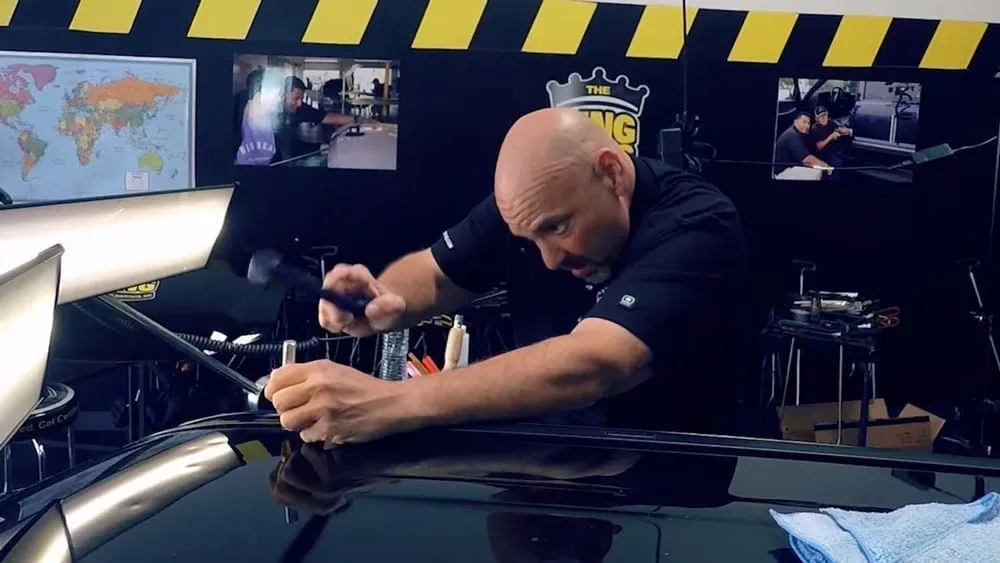 04 / Hail Repair
Hail Repair Training
Repair hail damage, price it properly and learn how to build hail accounts.
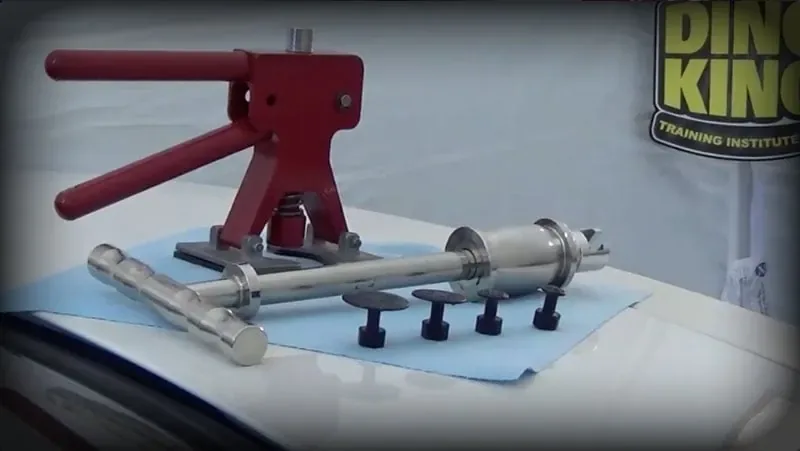 05 / Glue Pulling
Master Glue Pull Course
One day on tabs, adhesives and pulling devices, with certification on completion.
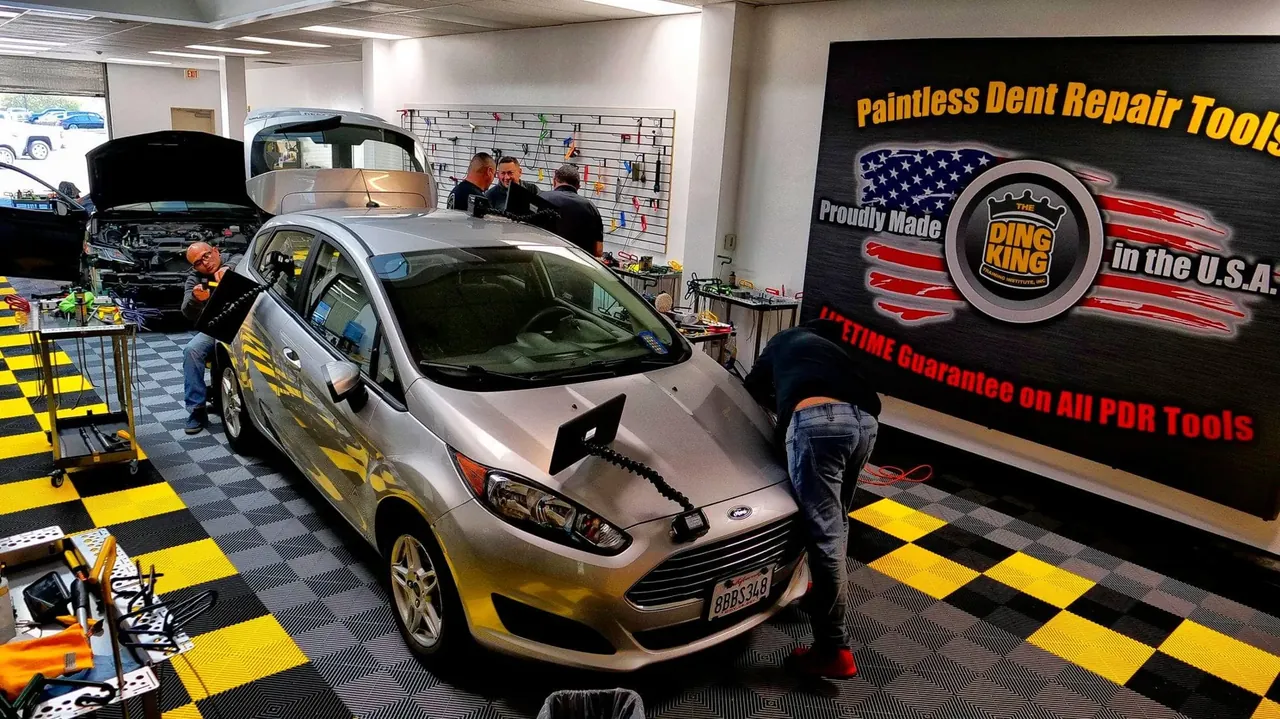 06 / Tool Room
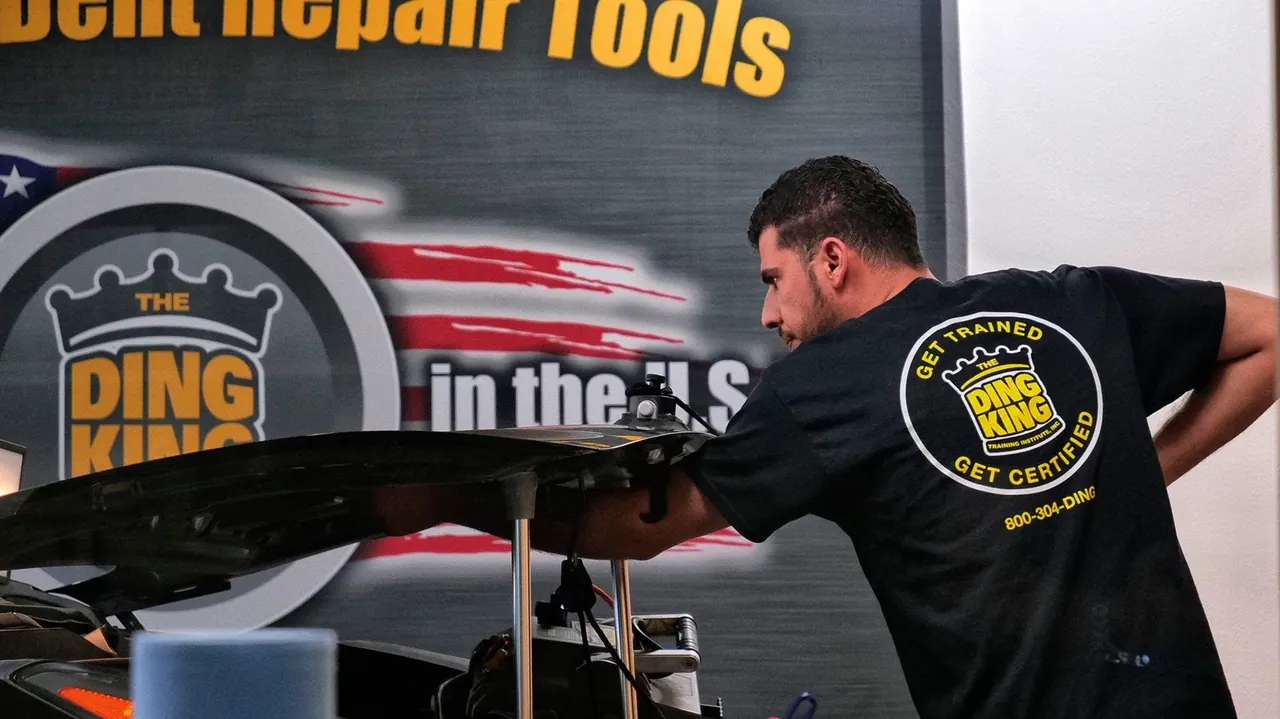
Paintless Dent Repair Tools
The tools you train with and take home, with an unconditional lifetime guarantee.
 07 / Learn Online
Online PDR Training Library
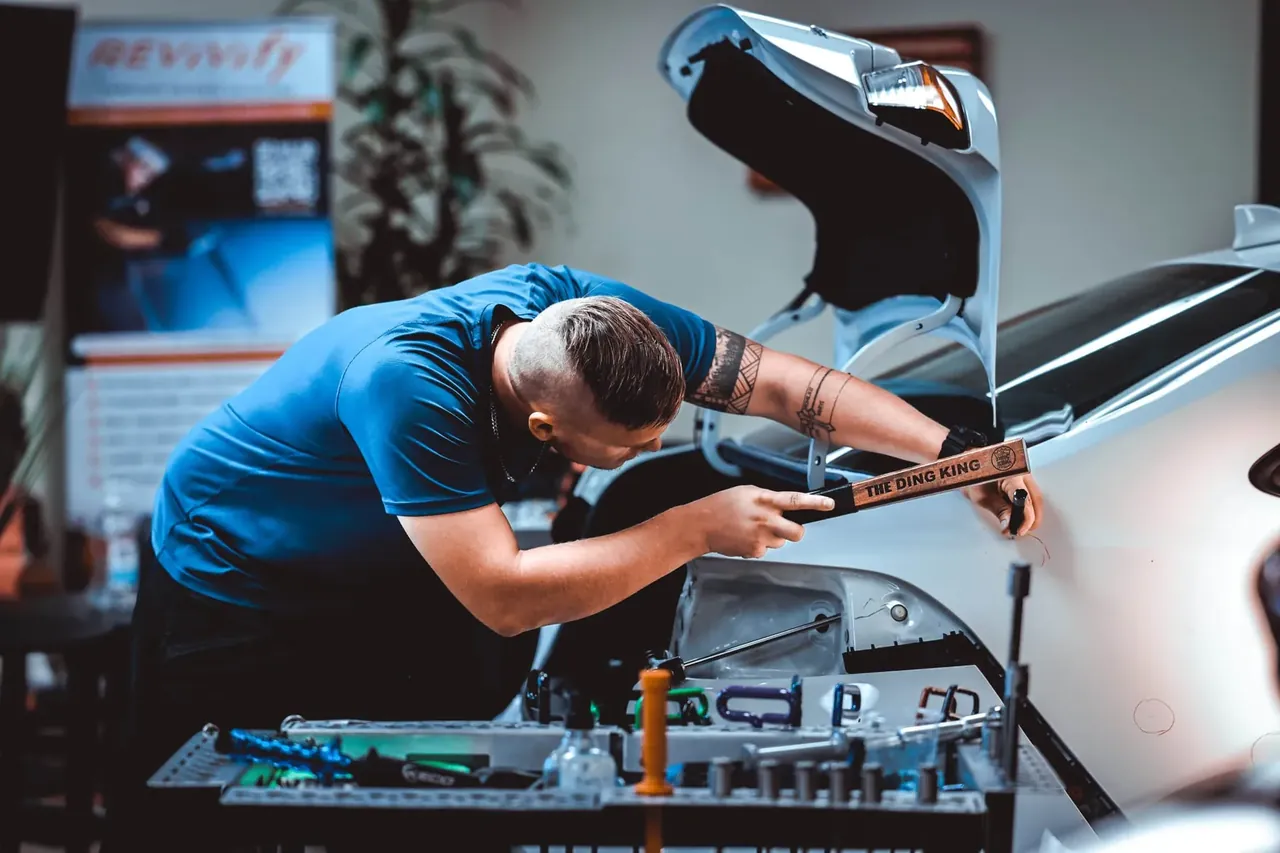
Twenty video lessons to start before class and keep using after it.
 08 / Gallery
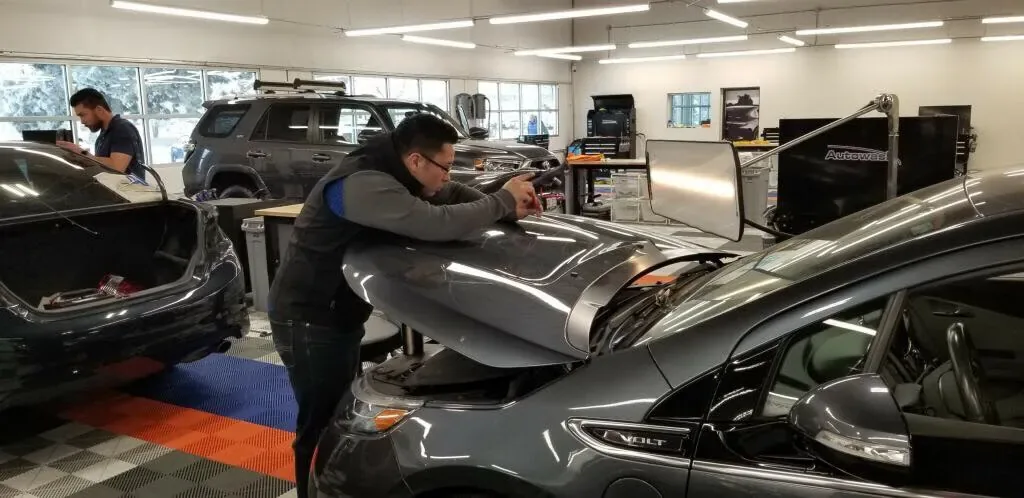
PDR Photo Gallery
Students and instructors at work in the training bay.
Your next step
Get trained.
Get certified.
Request the catalog to compare programs, tool packages and campuses, or call and talk through your goals with The Ding King team.
 Apply for a Student Loan